Modern organisations no longer compete only through their internal capabilities. Their competitiveness increasingly depends on the ecosystem around them: its strength, flexibility, cost efficiency, and ability to innovate. Platforms, suppliers, cloud providers, data ecosystems, AI capabilities, digital workers, and specialised partners have become a fundamental part of how services are created, operated, and evolved.
This creates significant opportunities. A well-developed ecosystem gives the organisation access to capabilities, technologies, and innovation that would be difficult or uneconomical to build internally. It can accelerate digital transformation, support scalable operations, increase flexibility, and provide access to advanced AI-enabled capabilities.
At the same time, ecosystem dependency introduces long-term governance challenges. If the organisation does not actively govern its ecosystem position, it may gradually lose flexibility, accumulate technology and contractual debt, increase operational complexity, and become dependent on providers, platforms, or technologies that no longer support its business priorities. Over time, these issues affect cost efficiency, service quality, business performance, and stakeholder satisfaction.
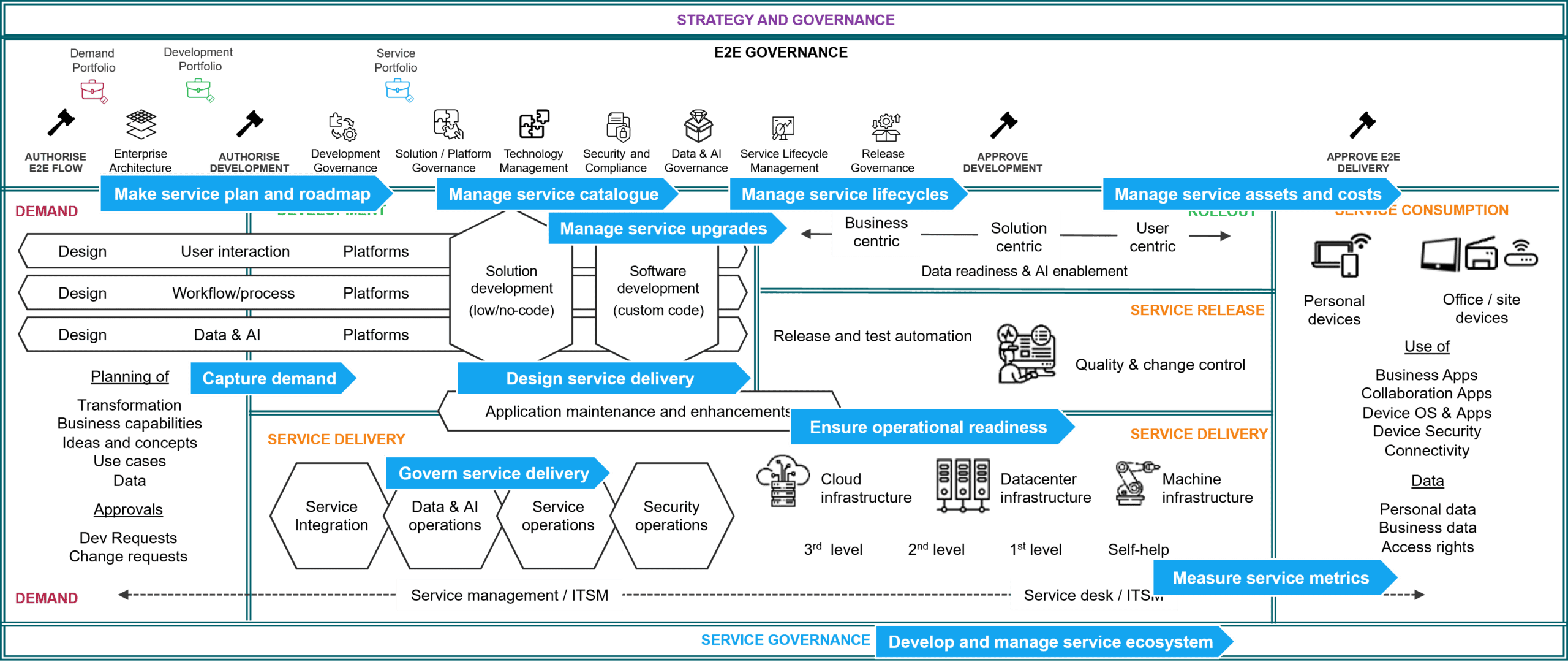
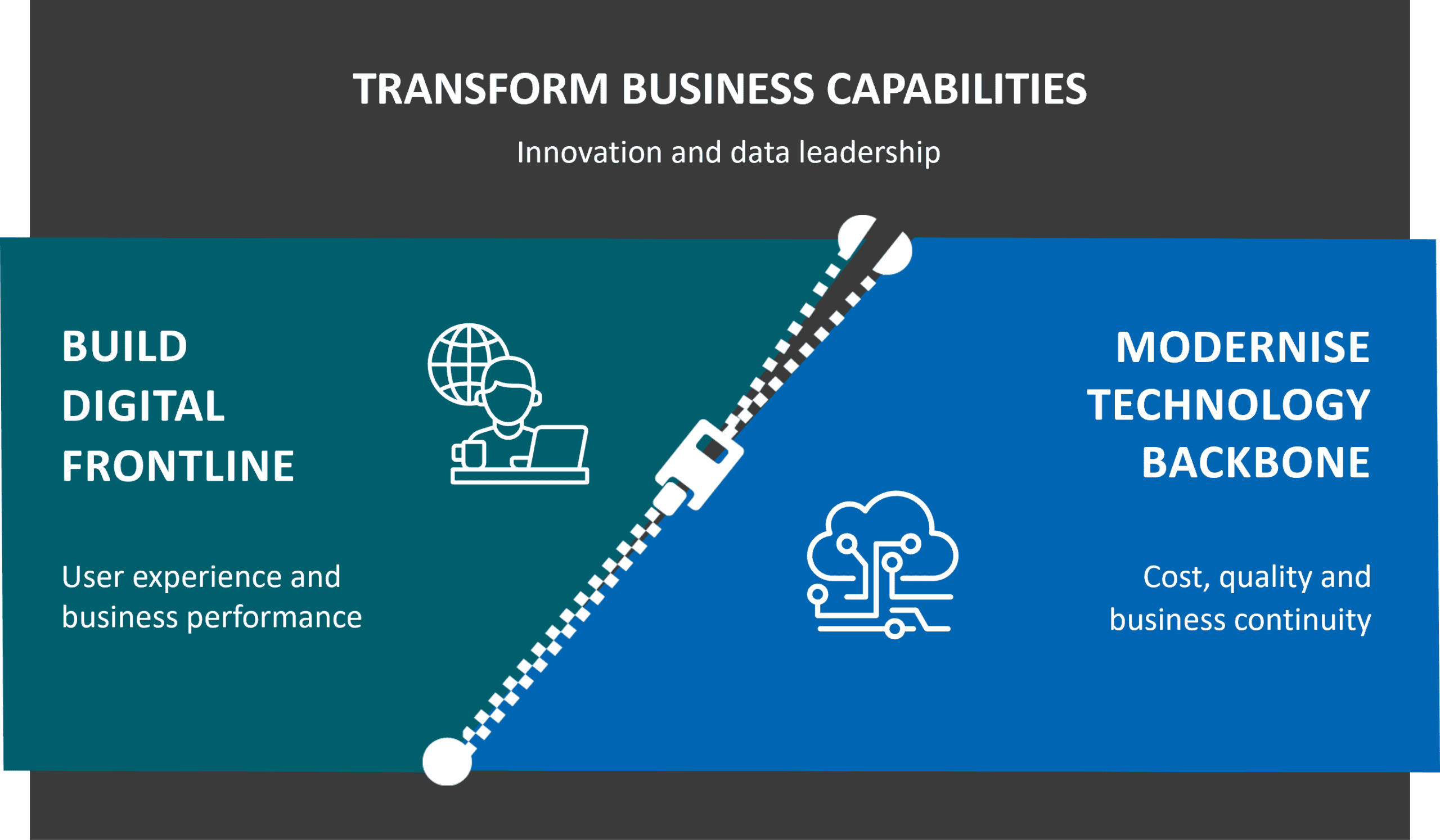
In the AI era, this dependency becomes even more important. Organisations increasingly rely not only on technology providers and sourcing partners, but also on data ecosystems, AI-enabled platforms, digital workers, and AI agents that participate directly in operational processes and decision-making. As a result, the maturity of the ecosystem increasingly defines the maturity of the organisation itself. Every organisation should therefore be able to assess how advanced both its own capabilities and its surrounding ecosystem are in digital and AI transformation.
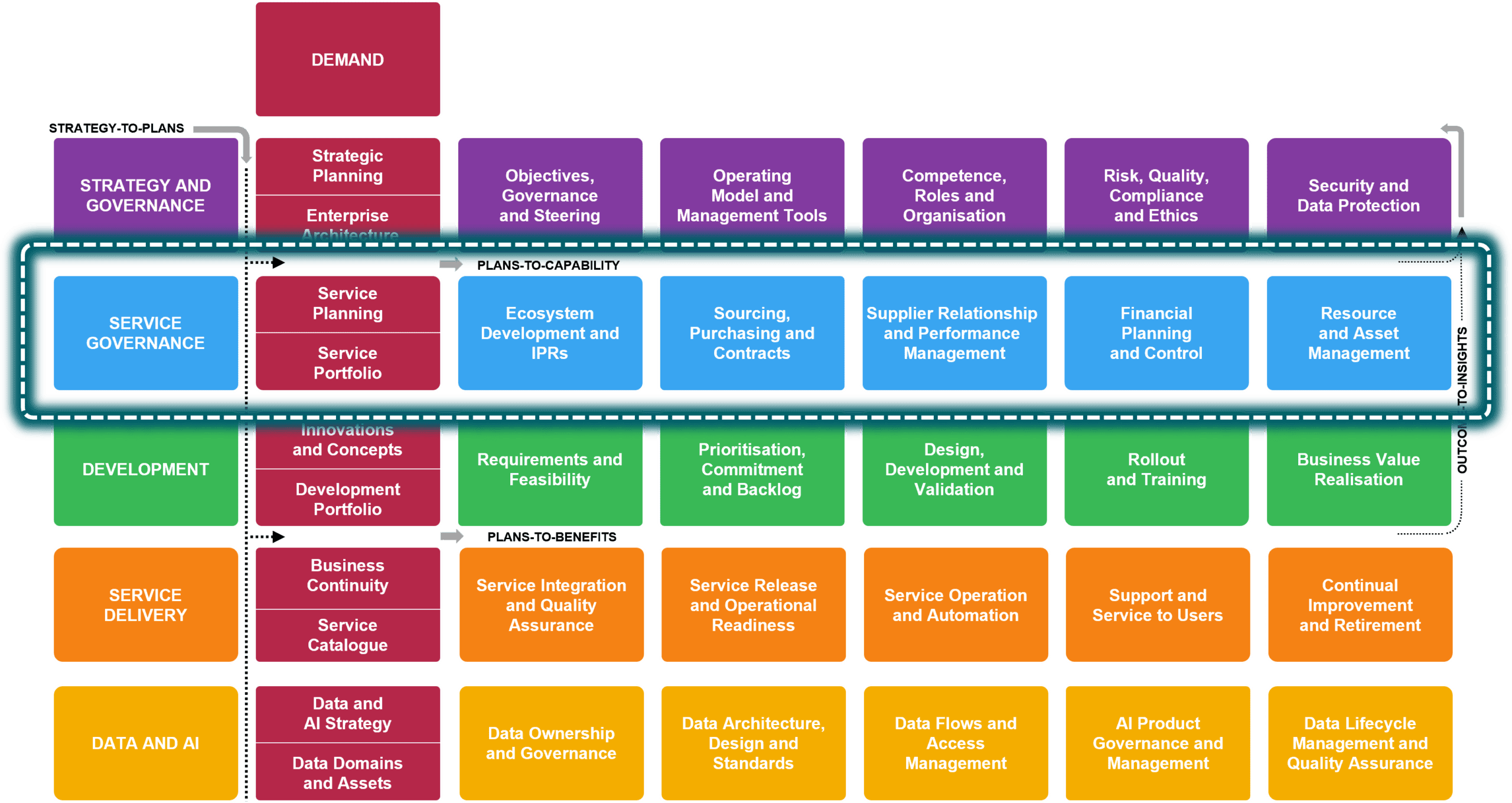
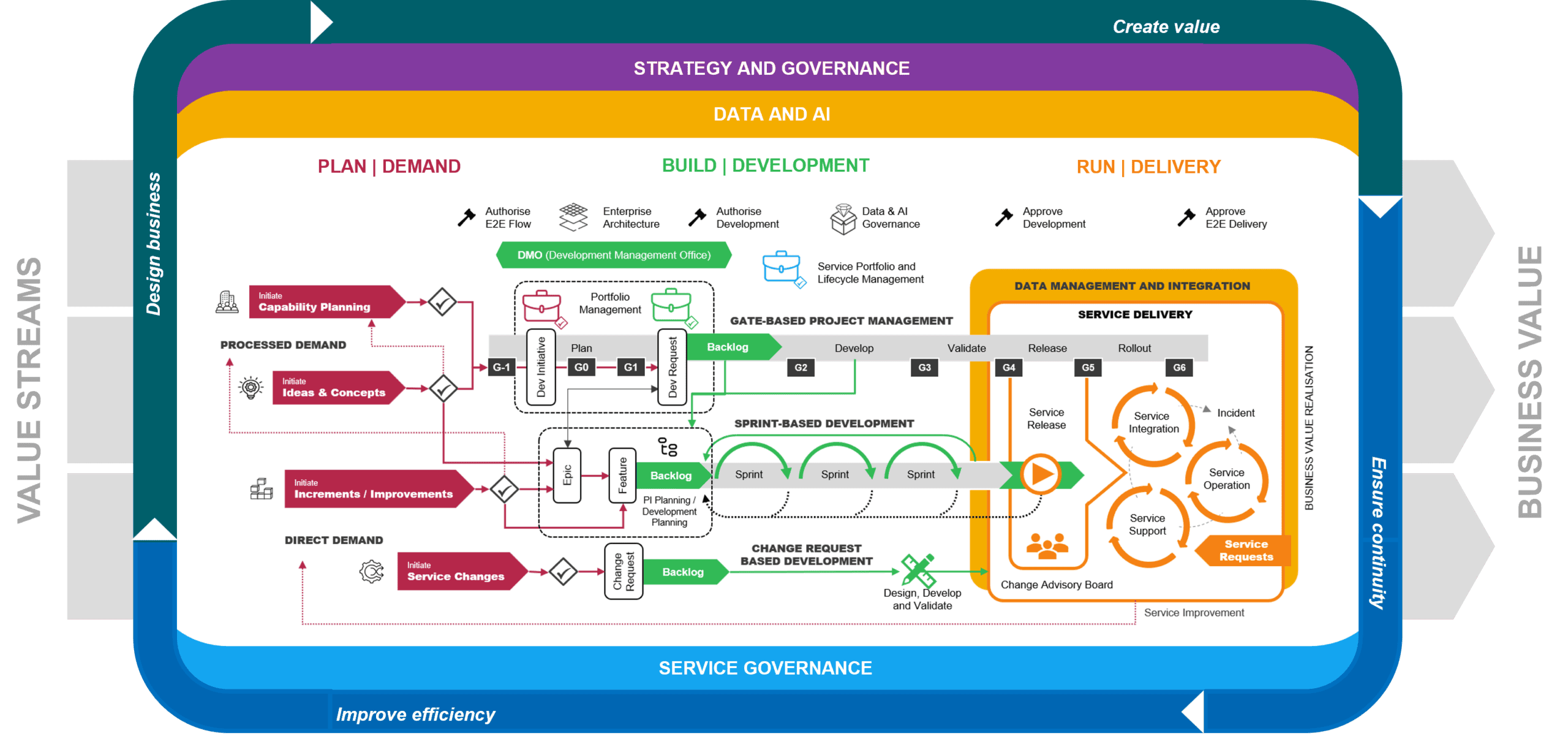
Service Governance ensures that services, ecosystems, sourcing structures, contracts, finances, resources, and lifecycle decisions remain aligned with business objectives and operational needs. It governs how services are planned, funded, sourced, structured, controlled, and continuously developed throughout their lifecycle.
Service Governance combines lifecycle management, ecosystem development, sourcing governance, financial control, and operational resource governance into a unified management discipline. Its purpose extends beyond supplier oversight and cost control. The objective is to ensure that the organisation can continuously evolve its services and business capabilities in a controlled, sustainable, and economically viable way.
This requires balancing flexibility, cost efficiency, innovation capability, operational resilience, and long-term control. Decisions related to platforms, sourcing models, contracts, automation, data, and AI capabilities shape not only current service performance but also the organisation’s ability to adapt, improve, and create value in the future.
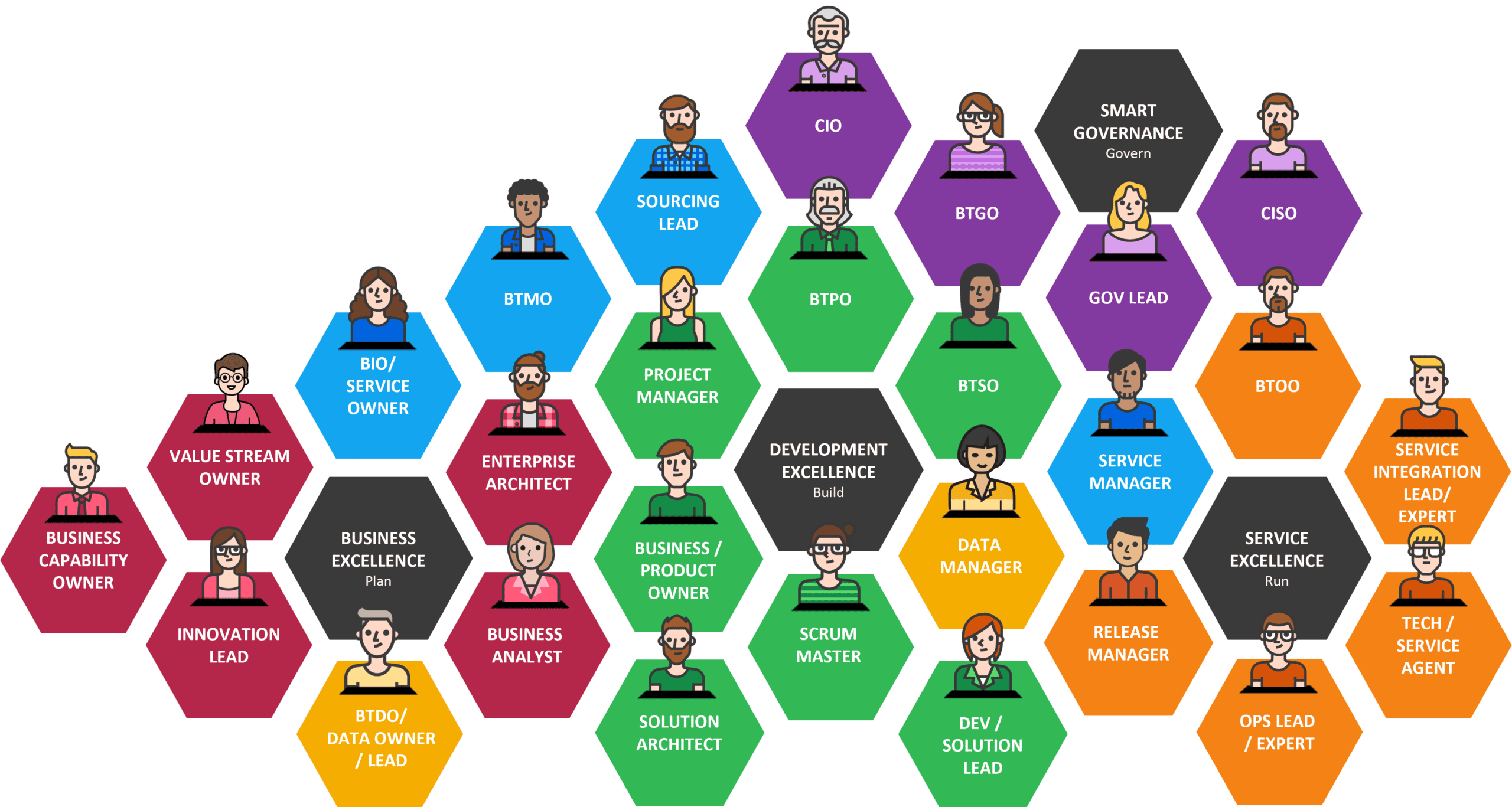
The Service Owner plays a central role in ensuring that services remain purposeful, financially justified, operationally viable, and aligned with business priorities throughout their lifecycle. The Service Manager supports this through operational coordination, service performance management, and continuous alignment between governance decisions and operational reality.
Service Governance is closely connected with service planning, service portfolio management, and service catalogue management.
Service planning governs the individual service. It defines why the service exists, how it is funded, how it is sourced and operated, what it costs, how it evolves, and when it should be modernised, consolidated, or retired. The service plan therefore becomes the primary lifecycle and governance view for the service.
The service portfolio governs the service landscape as a whole. It provides visibility into business criticality, lifecycle stage, investment levels, sourcing structures, dependencies, costs, and future direction across services.
The service catalogue represents the operational view of governed services. It defines what services are available, under which conditions they are delivered, and how they are consumed by users and business units.
Together, the service plan, service portfolio, and service catalogue create a connected governance structure that links business priorities, financial commitments, sourcing decisions, operational delivery, and lifecycle direction.
Service Governance consists of five closely connected capabilities.
Ecosystem development and intellectual property rights govern ecosystem structures, platform choices, partnerships, ownership models, and commercial rights.
Sourcing, purchasing and contracts govern acquisition models, purchasing practices, and contractual structures that support long-term flexibility and operational sustainability.
Supplier relationship and performance management governs supplier collaboration, service performance, and ecosystem development throughout the service lifecycle.
Financial planning and control provide financial transparency, investment discipline, cost control, and financial steering across services and operations.
Resource and asset management governs operational capability capacity across people, ecosystem partners, information technology, data assets, automation, digital workers, and AI-enabled operational capabilities.
Together, these capabilities ensure that services and ecosystems remain financially controlled, operationally sustainable, commercially balanced, and capable of evolving continuously as business priorities, technologies, and operational environments change.