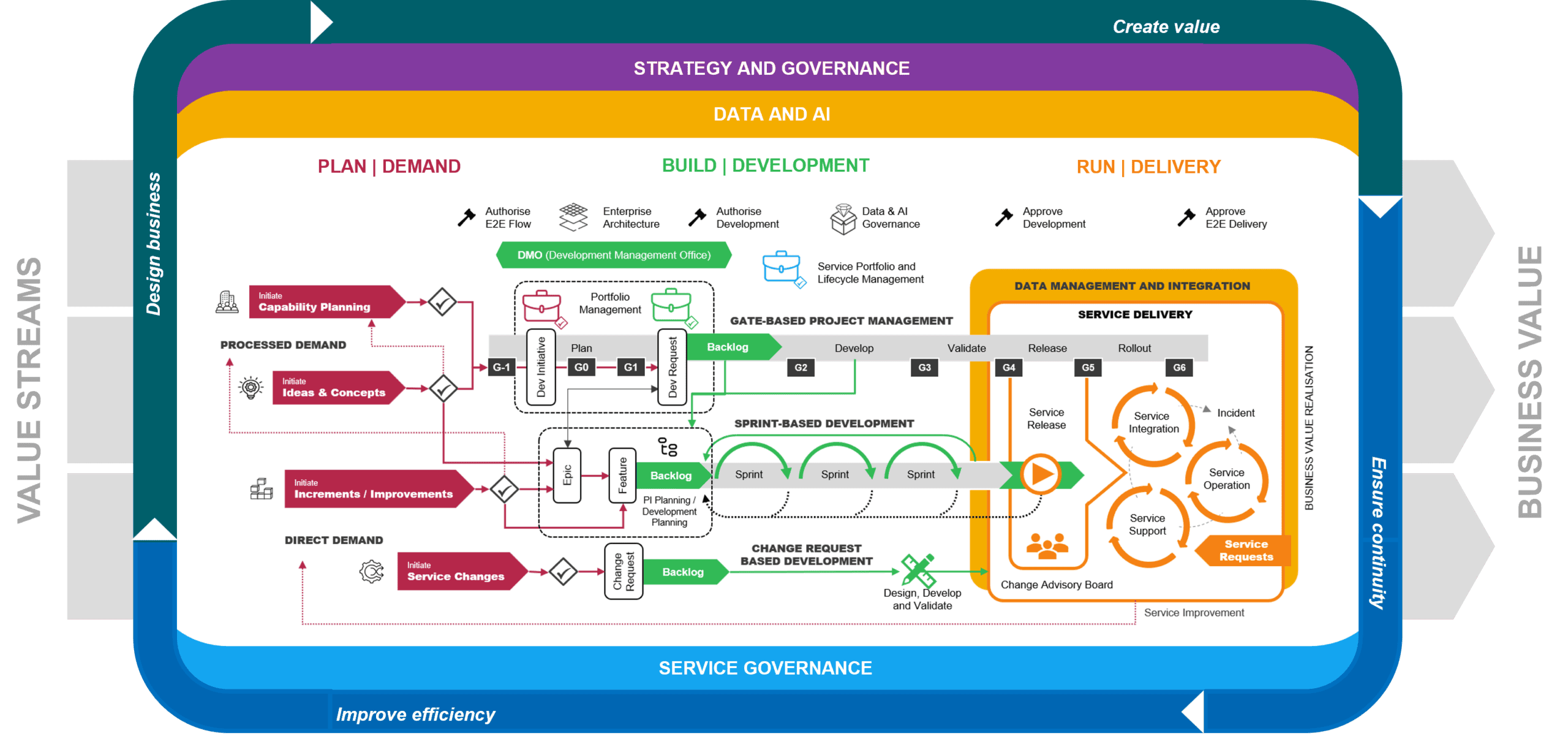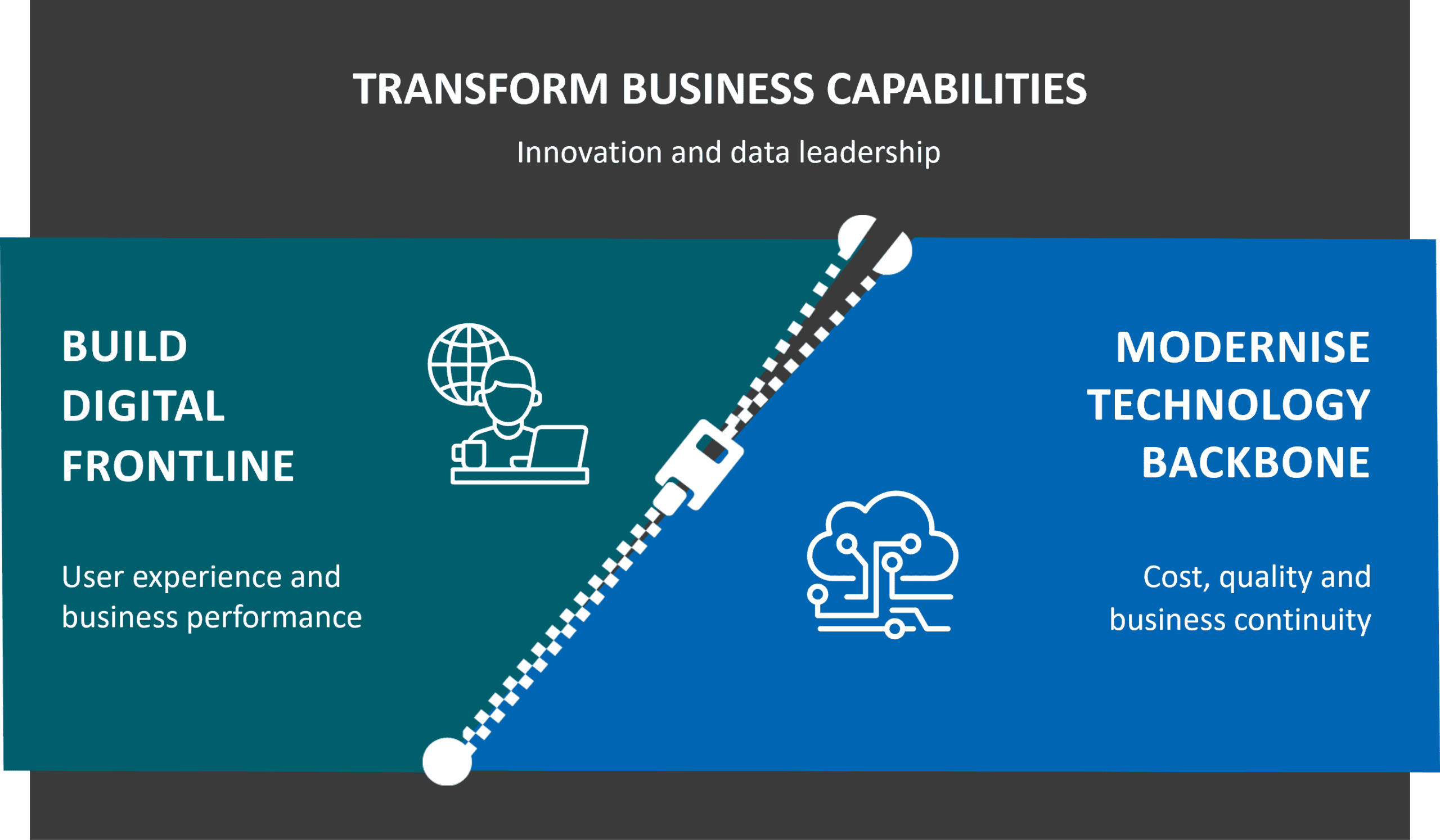
AI is increasingly part of how organisations make decisions, deliver services and perform work. A structured AI operating model defines the shared principles, roles, decision rights and ways of working needed to develop and use AI responsibly.
AI product governance and management apply this structure to individual AI-enabled capabilities. They connect decisions across AI strategy, transformation, AI delivery and technology, giving each managed AI product a clear business purpose, accountable ownership, operating boundaries, proportionate controls and continuous lifecycle oversight.
Governance continues throughout the lifecycle. Purpose, ownership, authority, validation, release, monitoring, improvement and retirement are reviewed as the AI product and its operating conditions change.
The way this governance is applied depends on how AI is used. AI can range from functionality embedded in applications and AI used by individuals to purpose-built solutions and AI agents operating at organisational scale. The following four types provide a practical way to distinguish these different forms of AI use and the governance they require: application AI, custom AI, personal AI and industrialised AI.
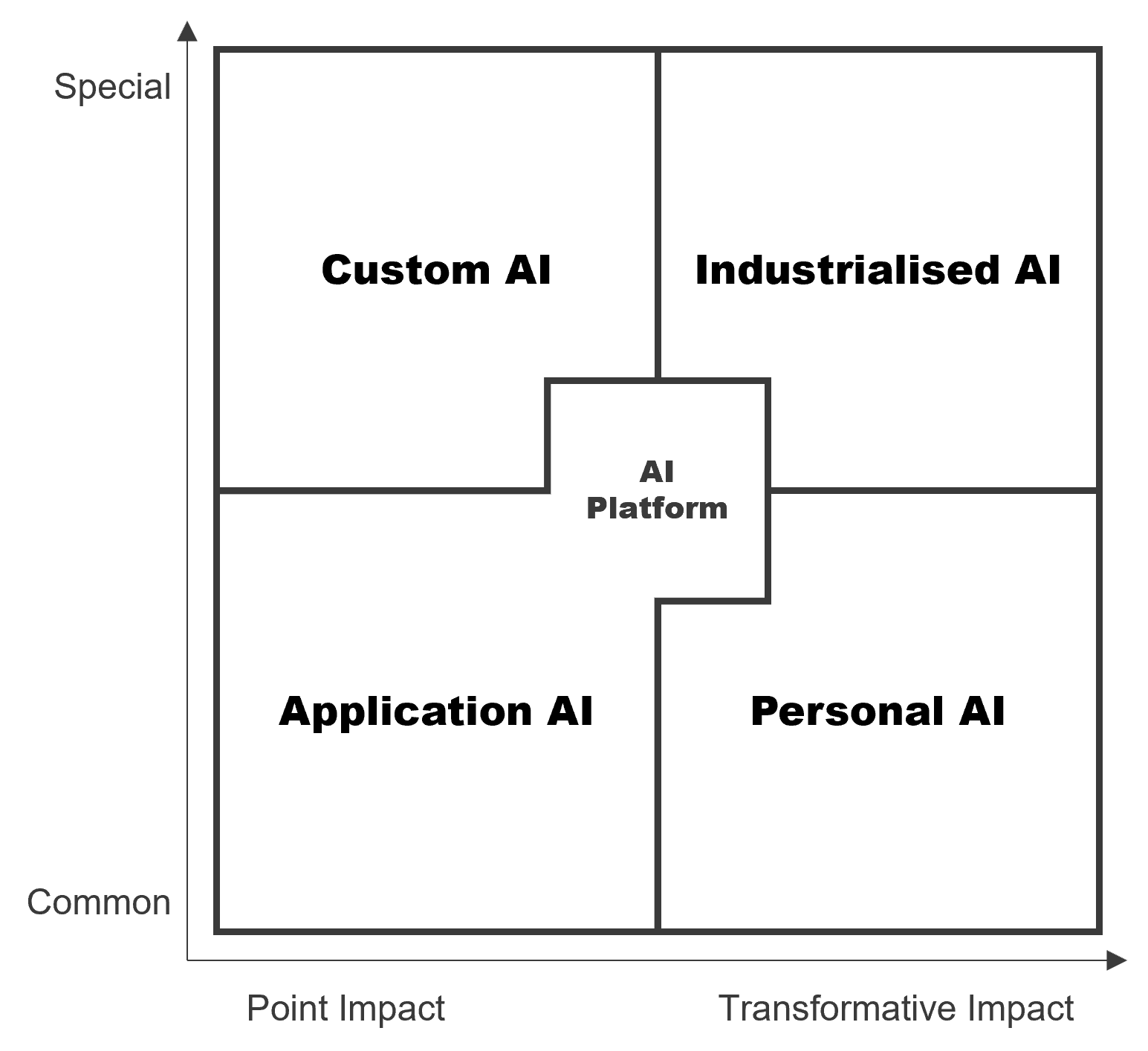
Application AI refers to AI capabilities embedded directly into business applications to augment processes, data creation and automation. In this form, AI extends how applications behave rather than creating standalone solutions.
Application AI is often foundational. It improves how data is created, interpreted and acted upon inside core systems and platforms. Over time, some applications with embedded AI capabilities may also become platforms that other AI capabilities depend on, including AI agents and digital workers that operate through their interfaces and rules.
Governance for application AI is typically aligned with application ownership. The focus is on ensuring that AI-augmented behaviour remains consistent with the application’s purpose, data definitions, access rules, system controls and compliance obligations.
Custom AI refers to AI solutions developed for a specific business purpose and managed like other software solutions. These are typically targeted solutions designed to address a well-defined problem with a high level of sophistication.
Custom AI solutions:
Governance follows familiar product and solution management principles, with additional attention to data dependencies, model behaviour, validation and monitoring. Custom AI enables powerful and targeted capabilities, but its impact is usually limited to the specific processes, decisions or interactions it was designed to support.
Personal AI refers to AI tools and agent-building capabilities used by individuals and teams to improve how they work. This includes employees using AI to support thinking, communication, analysis, coordination and task execution, as well as building their own AI toolsets for local needs.
This form of AI is essential to modern ways of working. When adopted widely, it changes how people and teams perform their work across the organisation, even without formally deployed solutions.
Governance for personal AI focuses less on central product control and more on:
Personal AI has broad reach but typically limited depth of impact on formal processes. Its value depends on people’s ability to use it well and responsibly. When personal AI starts to influence formal processes, customer outcomes, controlled data or operational decisions, it should move under stronger governance.
Industrialised AI refers to the managed capability to develop, configure, deploy and operate AI agents and digital workers at organisational scale. It is not a single AI solution or isolated automation. It is a repeatable way of creating AI-enabled operational capacity through common practices, reusable components, clear roles, controlled data access, behavioural boundaries, validation, monitoring and lifecycle management.
Industrialised AI changes how work is organised and executed. AI agents may perform defined tasks, coordinate work, interact with systems and people, hand work over to humans, collaborate with other agents or operate autonomously within agreed limits. Because these capabilities become part of normal operations, they require explicit ownership, authority, escalation paths, access controls and continuous oversight.
Industrialised AI requires:
Because Industrialised AI operates widely and deeply, governance must be comprehensive. The organisation must ensure that AI agents and digital workers behave predictably enough at scale, that responsibility remains clear, and that operational and business risks remain manageable.
Digital workers represent a different approach from building a bespoke AI solution for a single use case. They are designed as role-based capabilities that can be configured and reused across multiple processes.
A digital worker is defined by:
Digital workers participate in operational workflows alongside people and systems. The emphasis is on configuration and standardised components rather than custom coding, enabling consistent behaviour and scalable deployment.
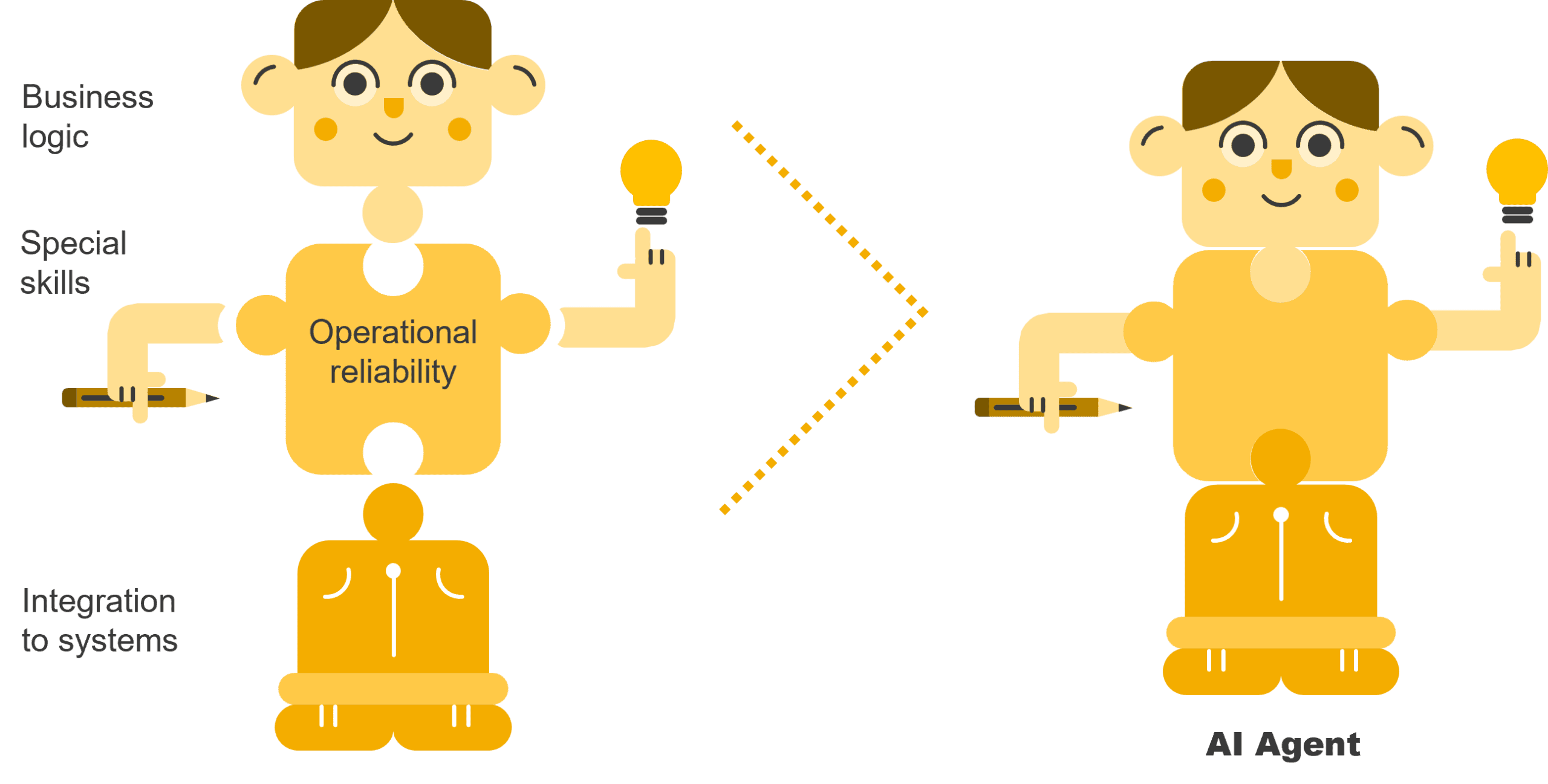
Because digital workers operate across systems and adapt to context, governance must address risks that do not exist in traditional software. Key governance concerns include edge behaviour and unpredictability, data access rights, data security and protection, authority and escalation, and ongoing oversight. Governance does not aim to eliminate all variability, but to ensure that even unexpected behaviour remains manageable and aligned with business intent.
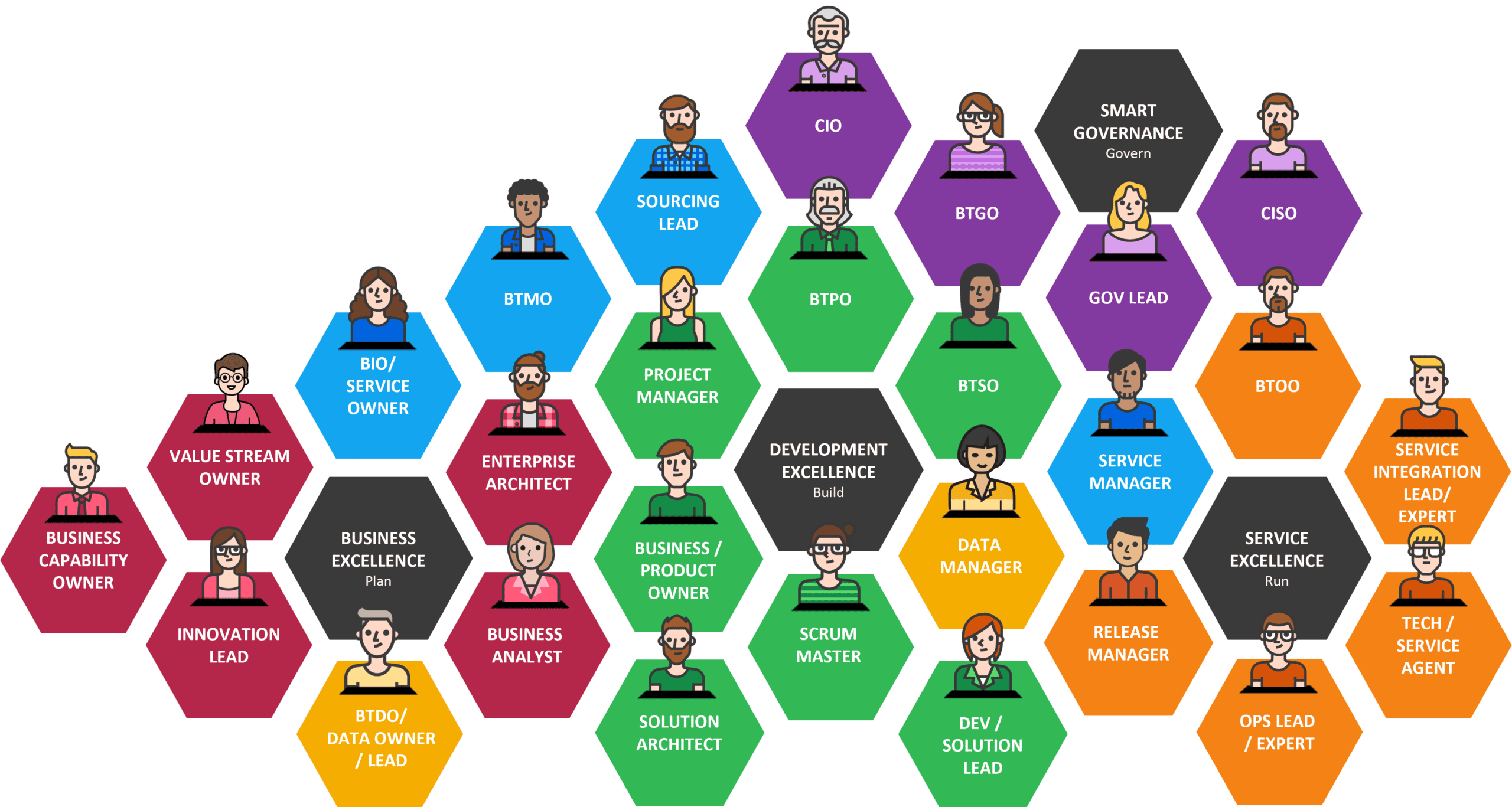
Every managed AI product has a single, named Product Owner. Ownership cannot be shared. The Product Owner is accountable for the purpose, behaviour and outcomes of the AI product throughout its lifecycle.
Product ownership includes:
The Product Owner works closely with Key Users, who validate the AI product in real business scenarios, and with the teams responsible for design, development, security, release and operation. This mirrors established product management practices and ensures that AI products are treated as managed business assets rather than experimental tools.
AI products must operate within clearly defined boundaries. These boundaries are based on business rules, ethical principles, regulatory requirements, data protection obligations and risk tolerance. They define what the AI product is allowed to do, what it must not do, and what level of human oversight is required.
Validation is a core governance activity. Before release, AI products are tested against realistic scenarios and edge cases. Validation focuses not only on correctness, but also on predictability, explainability, safe behaviour and alignment with intended use. As autonomy and business impact increase, validation and release controls become stricter.
Governance therefore scales with risk and impact. Controls should be proportionate rather than uniform. A personal productivity tool, an embedded application feature, a custom decision-support solution and a digital worker operating in core processes do not require the same governance model.
AI product governance continues after release. Once in use, AI products must be monitored, reviewed and improved in a controlled manner. Changes to instructions, data sources, prompts, models, rules or behaviour are versioned, documented and validated before being promoted to wider use.
Structured release management, monitoring practices and feedback loops with Key Users support this. They prevent uncontrolled drift and ensure that AI products remain aligned with business intent as data, usage patterns, regulations and operating conditions change.
Oversight should also consider how work is divided between people and AI agents. Different patterns of human-agent collaboration may be appropriate for different services, products and processes, and these arrangements should be reviewed as service ambitions, processes and AI capabilities evolve. This may change the level of human involvement, autonomy, supervision and escalation required over time.
AI becomes a managed business capability when it influences decisions, actions, services or customer outcomes. Clear ownership, controlled access, operating boundaries, validation and continuous oversight ensure that AI-enabled capabilities create value without weakening accountability or trust. This includes maintaining clear responsibilities and decision rights as the balance between human and agentic work changes.